
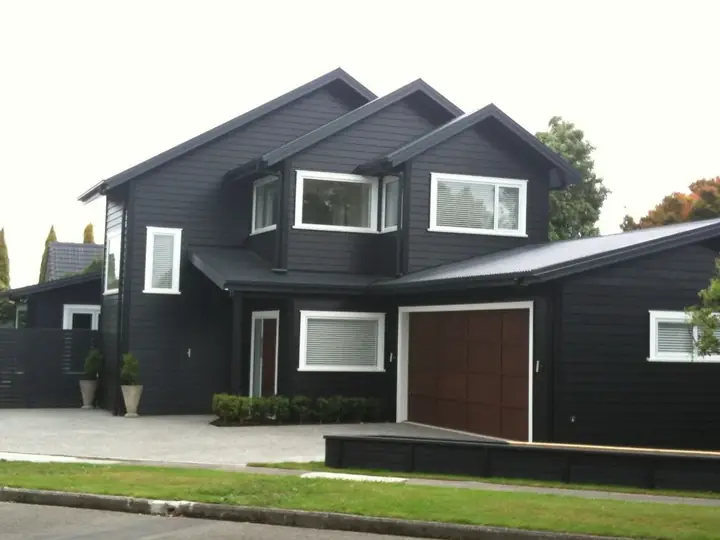
Part of our exterior house painting guide.
How hot is too hot to paint?
Resene describes the ideal painting day as 15 to 20°C, with humidity around 70 to 80% and a very gentle breeze, and advises against painting in direct sunlight or extremely hot weather. The surface temperature matters more than the air: a sunny wall, especially a dark one, can be far hotter than the forecast.
Always check the temperature range on your paint label. If the wall is too hot to keep your hand on, it is too hot to paint.
What goes wrong in the heat
- Lap marks: the edge dries before you get back to it, leaving visible overlaps.
- Brush and roller marks: paint stops flowing out before it levels.
- Blistering: moisture or solvent trapped under a skin that formed too fast. See blistering paint.
- Poor adhesion: paint dries on top before it bonds properly.
How to paint in hot weather
- Follow the shade. Resene suggests starting ahead of the sun and working around the building so you always paint the shaded side.
- Pick your hours. Early morning and later afternoon are usually best. Stop early enough for the paint to dry before evening dew.
- Keep a wet edge. Paint full boards or whole sections end to end without stopping.
- Load less, more often. Thin, even coats dry more evenly.
- Keep paint cool. Store tins in the shade and keep lids on.
- Watch the wind. A breeze helps drying, but strong wind dries paint too fast and blows dust onto it.
Dark colours in summer
Dark walls get much hotter in the sun, which is hard on both the painting and the timber. Many timber cladding suppliers ask for colours with a light reflectance value of 45% or more. See exterior paint colours before going dark.
Summer is still the best time to paint
The long dry spells of late spring and summer give the best painting windows, as long as you work around the hottest hours. Our guide to the best time to paint a house exterior covers the seasons, and the steps above keep the heat from spoiling the finish.
Interior painting on hot days
Indoors, heat and open windows can still make paint dry fast. Paint early in the day, keep direct sun off the wall with curtains, and avoid fans blowing straight onto fresh paint. Our interior painting guide covers rolling technique.
Your questions
Can I paint in direct sun?
It is best avoided. Paint the shaded side and follow the shade around the house.
What time of day is best to paint in summer?
Mornings once the dew has gone, and late afternoons, leaving enough time to dry before evening dew.
Does heat make paint dry better?
No. Too much heat dries paint too fast, which causes lap marks and weaker bonding.
Can paint blister in the sun?
Yes. Painting a hot surface in direct sun can make the top skin dry too fast and trap moisture or solvent, causing blisters.
Book your summer repaint
Summer is the main season for exterior work, so plan ahead. Send photos of your home and we will plan the work around the weather.
Request a free quoteAbout this guide
We are Gary Dyer Painters and Decorators, a trade-qualified Manawatū painting company, Master Painters members and certified Resene Eco-Decorators. We paint exteriors across Manawatū through the summer season. This guide was last reviewed in November 2026. Temperature guidance comes from Resene's ideal painting day advice. Spotted something out of date? Email gary@gdpd.nz.